
The Art of Virtual Warfare: Effective Communication and Map Strategies
In the ever-evolving landscape of digital conflict, mastering the art of virtual warfare involves a sophisticated blend of effective communication and strategic map usage. As virtual warfare continues to gain prominence in both competitive gaming and simulation exercises, understanding the intricacies of these elements becomes crucial for achieving success. Effective communication serves as the backbone of successful virtual engagements. In the heat of battle, whether in a competitive game or a tactical simulation, the ability to convey information quickly and accurately can significantly impact the outcome. Clear communication ensures that all team members are aligned, understand their roles, and are aware of real-time developments on the battlefield. This involves not only verbal exchanges but also the use of various communication tools such as in-game chat systems, voice commands, and quick messages. Effective communication also includes the ability to interpret and act upon the information received, making it essential for team members to be both articulate and receptive. Equally important is the strategic use of maps, which serve as the primary tool for navigation and tactical planning in virtual environments.
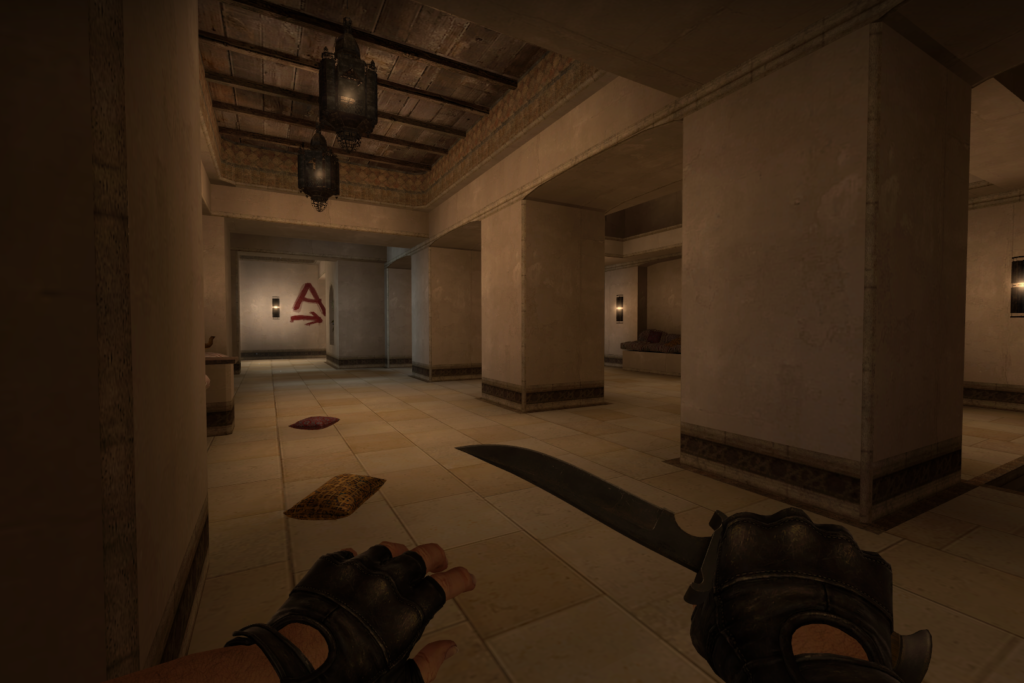
The synergy between communication and cs2 ranks map strategies is critical. For instance, a well-coordinated team can use map knowledge to execute complex maneuvers, such as flanking enemy positions or setting up ambushes. In such scenarios, real-time communication becomes essential to adapt to changing conditions and share information about enemy movements or strategic opportunities. Conversely, poor communication can lead to misaligned strategies and missed opportunities, undermining the advantages gained from thorough map analysis. In competitive settings, where every decision can influence the outcome, the ability to synthesize map information with effective communication becomes a distinguishing factor. Teams that excel in virtual warfare are those that can seamlessly integrate these elements, ensuring that strategic plans are executed flawlessly and that every team member is in sync.
Moreover, the dynamic nature of virtual environments means that adaptability is crucial. Maps and communication channels can evolve rapidly, requiring players to continuously adjust their strategies. Staying updated on changes within the game, such as new map features or communication updates, allows teams to maintain a competitive edge. This adaptability also involves learning from past experiences and incorporating lessons into future strategies, thereby enhancing overall performance. In conclusion, the art of virtual warfare is intricately tied to effective communication and strategic map usage. By mastering these aspects, players and teams can achieve greater success in navigating digital conflicts, executing strategies with precision, and maintaining a competitive advantage. Whether in competitive gaming or tactical simulations, the combination of clear communication and adept map strategies forms the foundation for triumph in the complex and dynamic realm of virtual warfare.
 In addition, fluoride treatments can strengthen the enamel, making it more resistant to decay and erosion. Regular dental visits also offer the opportunity for personalized advice on oral hygiene practices tailored to your specific needs. Dentists can provide guidance on proper brushing techniques, recommend suitable toothbrushes and toothpaste, and offer dietary advice to help prevent issues such as tooth sensitivity or enamel erosion. For patients at higher risk of dental problems, such as those with a history of gum disease or a tendency to develop cavities, additional preventive measures may be suggested, including dental sealants, which act as a protective barrier against decay. Another critical aspect of preventive care is maintaining good oral hygiene habits at home. Regular brushing with fluoride toothpaste and daily flossing are fundamental practices that help remove food particles and plaque from between the teeth and along the gum line.
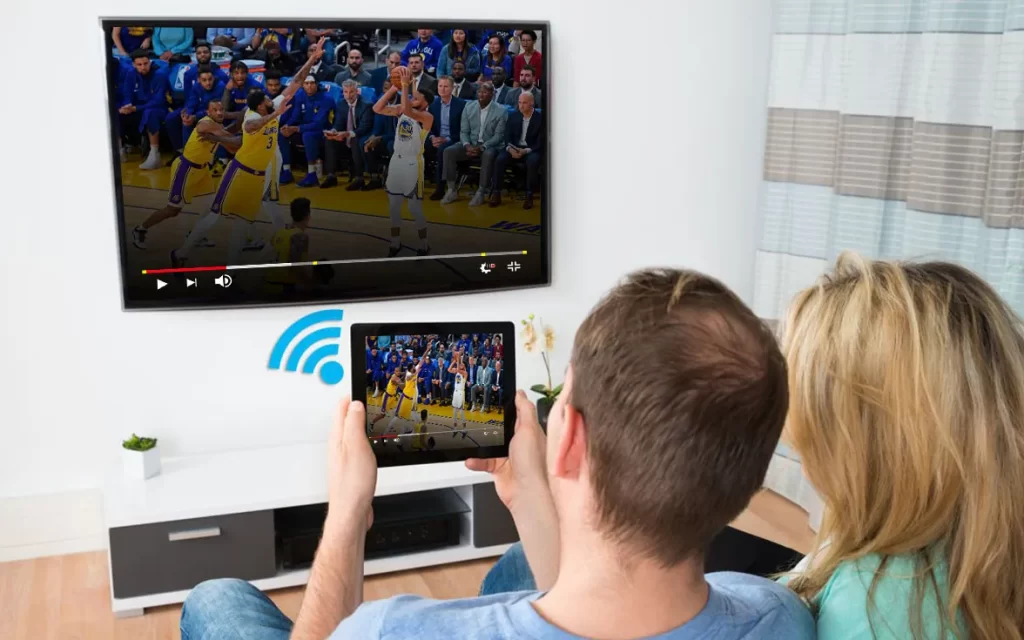 Next, evaluate the reliability and performance of the iptv service. The quality of your viewing experience hinges on the stability of the service is streaming capabilities. Opt for providers with a reputation for minimal downtime and high-resolution streaming. Reading customer reviews and checking for any recurring complaints about buffering issues or poor picture quality can provide valuable insights into the service’s performance. Another crucial factor is the user interface and compatibility with your devices. A user-friendly interface enhances your overall viewing experience by making it easier to navigate through channels and on-demand content. Ensure that the IPTV service is compatible with various devices such as smart TVs, streaming boxes, tablets, and smartphones. Some services also offer apps that make it convenient to watch your favorite shows and movies on the go.