Search for:

The Use of Pneumatics in Automotive Manufacturing

Pneumatics play a crucial role in automotive manufacturing, offering a blend of efficiency, precision, and safety that enhances production processes. In the automotive industry, where high-speed assembly lines and intricate components are the norm, pneumatic systems are employed for various tasks, including material handling, assembly, and painting. By utilizing compressed air, these systems power tools such as drills, wrenches, and impact guns, allowing for rapid assembly and disassembly of parts. This not only reduces the time required for production but also minimizes the physical strain on workers, as pneumatic tools are generally lighter and easier to handle than their electric counterparts. The ability to adjust air pressure also enables manufacturers to tailor the force applied in different operations, ensuring that delicate components are handled with care while still maintaining the strength needed for heavier tasks. Pneumatics plays a crucial role in automotive manufacturing by powering tools for assembly, painting, and material handling.

In addition to enhancing efficiency, pneumatics contribute significantly to the quality of automotive production. The precision offered by pneumatic systems allows for consistent torque application and repeatability in assembly tasks. This precision is vital in ensuring that components fit together correctly, reducing the likelihood of defects and enhancing the overall quality of the finished product. Furthermore, pneumatic supplier paint sprayers provide an even and controlled application of coatings, which is essential for achieving a high-quality finish. These systems minimize overspray and material waste, contributing to both cost-effectiveness and environmental sustainability. By integrating advanced pneumatic technologies, manufacturers can also implement automation systems that further streamline production, leading to shorter cycle times and improved output. Pneumatic systems enhance precision, speed, and efficiency, ensuring high-quality production while reducing labor costs and minimizing the risk of worker fatigue in demanding environments.

Top of Form

Bottom of Form

Safety is another critical area where pneumatyka sklep make a significant impact in automotive manufacturing. Compressed air systems are generally safer than electrical systems, particularly in environments where flammable materials are present, as they eliminate the risk of electrical sparks. Moreover, pneumatic tools often feature built-in safety mechanisms, such as automatic shut-offs and torque control, which reduce the risk of accidents and injuries on the assembly line. The use of pneumatic systems also allows for greater flexibility in workspaces, as air lines can be easily routed without the need for cumbersome electrical wiring. This adaptability is particularly beneficial in modern manufacturing facilities that often incorporate flexible assembly lines to accommodate varying production needs. Overall, the integration of pneumatic technology in automotive manufacturing not only boosts productivity and quality but also enhances workplace safety, making it an indispensable component of the industry is evolution.

Garden Centre Experts Share Instruction on Growing Herbs Year-Round

Growing herbs year-round can be a rewarding endeavor for both novice and experienced gardeners alike. Garden centre experts emphasize that with the right techniques and environment, you can enjoy fresh herbs even in the coldest months. The key to successful year-round herb cultivation lies in understanding the specific needs of each herb, as well as creating an ideal growing environment, whether indoors or outdoors. To start, it is essential to select the right herbs that are suitable for year-round growth. Popular choices include basil, parsley, cilantro, thyme, and chives. These herbs not only add flavor to your meals but also have numerous health benefits. For instance, basil is known for its anti-inflammatory properties, while parsley is rich in vitamins A, C, and K. When choosing herbs, consider your culinary preferences, as this will motivate you to care for them diligently. If you are growing herbs indoors, location is paramount. Most herbs thrive in bright, indirect sunlight, making a south-facing window ideal.

However, if natural light is limited, investing in grow lights can mimic the sunlight needed for robust growth. These lights should be positioned a few inches above the plants and kept on for about 12 to 16 hours a day.  Soil selection also plays a significant role in herb cultivation. Garden Centre Roscommon experts recommend using a well-draining potting mix enriched with organic matter. A mix of peat moss, compost, and perlite or vermiculite can provide the necessary drainage and aeration that herbs need to flourish. Ensure that the pots have drainage holes to prevent water from accumulating at the bottom, which can lead to root rot. Watering is another critical aspect of herb care. While herbs prefer consistently moist soil, overwatering can be detrimental. A good rule of thumb is to water when the top inch of soil feels dry. Herbs generally require less water in the winter months, so it is essential to adjust your watering schedule accordingly. Using room-temperature water is also advisable, as cold water can shock the plants.

Fertilizing your herbs is essential for promoting growth, especially when they are confined to pots. Experts suggest using a balanced, organic fertilizer every four to six weeks. Look for slow-release fertilizers that provide nutrients over time, reducing the need for constant reapplication. Additionally, you can supplement with compost tea or liquid seaweed for added nourishment. Pruning your herbs regularly encourages bushier growth and prevents them from becoming leggy. Experts recommend snipping the leaves with clean scissors, taking care not to remove more than one-third of the plant at a time. This practice not only promotes healthy growth but also ensures that you have fresh herbs to use in your cooking. If you are considering outdoor herb gardening, winterizing your herbs becomes essential. Some hardy herbs, like thyme and rosemary, can survive colder temperatures, but others may require protection. Covering plants with mulch or fabric can help insulate them during harsh weather. For potted herbs, consider bringing them indoors during the winter months or placing them in a sheltered location.

Elevate Business Professional Cherry Picker Services for Commercial Projects

In today’s fast-paced commercial landscape, efficiency and safety are paramount. As businesses strive to elevate their operations, the importance of specialized equipment like cherry pickers cannot be overstated. Cherry pickers also known as boom lifts are essential for various commercial projects, from building maintenance to large-scale construction. They provide a safe and efficient means of reaching elevated workspaces, making them invaluable for businesses looking to maximize productivity while minimizing risk. When considering the implementation of cherry picker services for your commercial projects, the benefits are manifold. Firstly, cherry pickers enable workers to access hard-to-reach areas with ease. Whether it is installing signage, performing roof repairs, or conducting high-rise window cleaning, cherry pickers provide the vertical reach necessary to accomplish these tasks safely. Unlike traditional ladders or scaffolding, cherry pickers offer the stability and security needed for workers to focus on their tasks without the constant concern of falling.

roof cleaning Moreover, using professional cherry picker services can significantly reduce project timelines. With the ability to move quickly between tasks at various heights, these machines can streamline workflows and minimize downtime. For instance, when conducting routine maintenance on a multi-story building, the time saved by using a cherry picker can be substantial compared to manual methods. This efficiency translates into cost savings, allowing businesses to allocate resources more effectively. Safety is another critical aspect where cherry picker services shine. Working at heights poses inherent risks, but professional cherry picker operators are trained to mitigate these dangers. By adhering to strict safety protocols and utilizing state-of-the-art equipment, these professionals ensure that projects are completed without incidents. Regular maintenance and inspections of cherry pickers further enhance safety, making them a reliable choice for any commercial venture.

In addition to enhancing safety and efficiency, cherry picker services contribute to the overall quality of work. With the ability to position workers precisely where they need to be, these machines allow for greater accuracy and Cherry picker booking in Liverpool attention to detail. This is especially crucial in industries such as construction, where precision is key to achieving a successful outcome. Clients expect high standards, and utilizing cherry pickers can help meet and exceed those expectations. Furthermore, opting for professional cherry picker services allows businesses to maintain flexibility. Many service providers offer rental options, enabling companies to choose the right equipment for their specific needs without the burden of long-term ownership. This flexibility allows businesses to scale their operations according to project demands, optimizing their capital expenditures. Cherry picker services are an indispensable asset for any business involved in commercial projects. By elevating safety, efficiency, and quality, these services empower companies to enhance their operations and achieve their goals. Whether you are undertaking maintenance, construction, or any project requiring elevated access, investing in professional cherry picker services is a strategic move that will elevate your business to new heights.

Advanced Electric Hoist Technology Improves Lifting Operations across Industries

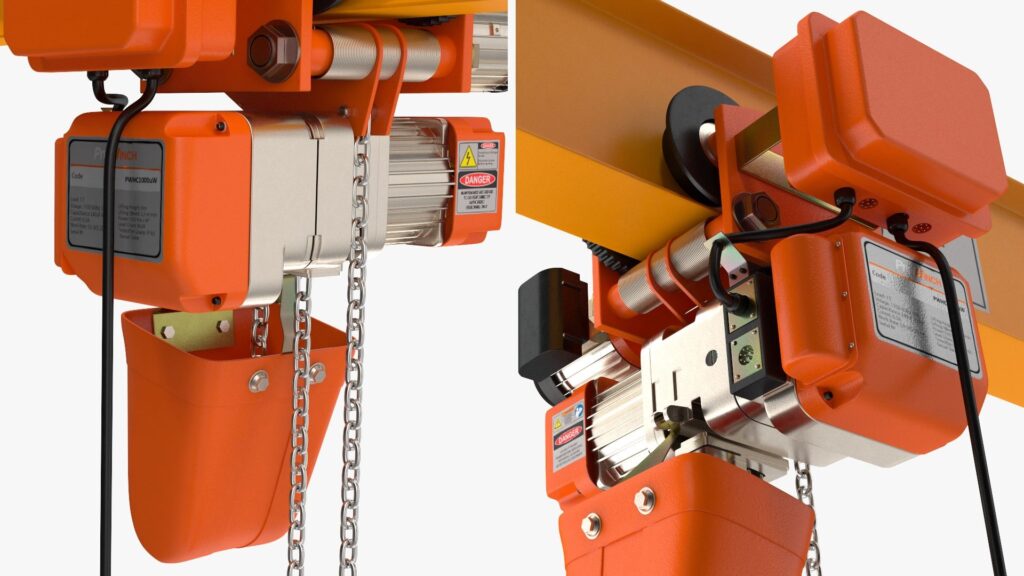
Advanced electric hoist technology has revolutionized lifting operations across various industries, significantly enhancing efficiency, safety, and productivity. As industries continue to evolve, the demand for robust and reliable lifting solutions has increased, leading to the development of innovative electric hoists that cater to diverse operational needs. These advancements are particularly evident in sectors such as construction, manufacturing, logistics, and warehousing, where the ability to lift heavy loads swiftly and securely is paramount. One of the most notable advancements in electric hoist technology is the integration of smart features, which utilize IoT Internet of Things capabilities to enhance operational control and monitoring. Modern electric hoists are equipped with sensors that provide real-time data on load weights, operational status, and maintenance needs. This data not only aids operators in making informed decisions but also allows for predictive maintenance, reducing downtime and increasing equipment longevity. By implementing such technologies, industries can optimize their lifting operations, ensuring that equipment is always functioning at peak performance.

Electric Hoists

Safety is another critical aspect where advanced electric hoist technology excels. Traditional lifting methods often involve significant risks, including equipment failure and operator error. However, modern electric hoists come with advanced safety features such as overload protection, emergency stop functions, and enhanced braking systems. These features help prevent accidents and injuries, ensuring a safer work environment. Additionally, operator-training programs are increasingly incorporating simulations and virtual training, enabling personnel to familiarize themselves with new hoist technologies in a risk-free setting before operating them in real-life situations. The energy efficiency of advanced electric hoists also contributes to their appeal across industries. Many modern hoists utilize variable frequency drives VFDs that adjust the motor speed according to the load, optimizing power consumption. This not only reduces energy costs but also lessens the environmental impact of lifting operations. Companies increasingly prioritize sustainability, and energy-efficient hoisting solutions align with their goals of reducing carbon footprints while maintaining productivity.

Furthermore, the versatility of advanced electric hoist makes them suitable for a wide range of applications. From heavy-duty construction tasks to delicate assembly operations in manufacturing, these hoists can be customized with various attachments and features to meet specific operational requirements. For instance, some electric hoists are designed for outdoor use, featuring weather-resistant materials, while others may have specialized hooks or grips to handle unique loads safely. In conclusion, the advancements in electric hoist technology are transforming lifting operations across industries, enhancing efficiency, safety, and energy management. As businesses continue to seek innovative solutions to meet their lifting needs, the evolution of electric hoists will play a crucial role in shaping the future of industrial operations. With their smart capabilities, safety features, and versatility, advanced electric hoists are poised to become an indispensable asset in the ongoing pursuit of operational excellence in various sectors.

How to Enhance Your Waterfront Experience with a Quality Jet Ski Dock

A waterfront property offers countless opportunities for outdoor recreation, and one of the most exhilarating ways to enjoy the water is by owning a jet ski. However, to make the most of your Jet Ski experience, having a high-quality Jet Ski dock is essential. Not only does it protect your investment, but it also enhances convenience, safety, and the overall enjoyment of your time on the water. A well-designed Jet Ski dock provides easy and secure access to your watercraft. Whether you are a seasoned rider or a beginner, getting on and off your jet ski can sometimes be tricky, especially in deep water or areas with fluctuating tides. A sturdy dock eliminates this hassle, offering a stable platform from which to launch, dock, and retrieve your jet ski with ease. This convenience is especially useful for families or those who may need a bit of extra stability when getting in and out of the watercraft.

Moreover, a high-quality dock protects your jet ski from damage. Continuous exposure to water can lead to issues like hull degradation, corrosion, and damage from rough waters or debris. A proper dock lifts your jet ski out of the water when not in use, helping to extend its lifespan. Many docks are designed with features like rollers or adjustable platforms that make it easy to move the Jet Ski in and out of the water without strain. This protection means less time spent on maintenance and repairs, allowing you to focus on enjoying your waterfront experience. In terms of safety, a dedicated jet ski dock for sale provides a secure area for handling and storing your watercraft. Slips, trips, and falls are common risks when accessing a jet ski directly from the water. A well-built dock mitigates these risks by offering a non-slip surface and sturdy handrails, ensuring that riders can safely get on and off the Jet Ski.

For waterfront property owners with children, a floating jet ski dock adds an additional layer of security, helping prevent accidents by keeping the watercraft safely stored when not in use. Additionally, a quality Jet Ski dock enhances the overall aesthetics and functionality of your waterfront space. Modern docks come in various materials and designs, allowing you to choose one that complements your property’s style while also serving practical purposes. Floating docks, for instance, rise and fall with the water level, ensuring consistent ease of access regardless of tidal changes. In conclusion, a Jet Ski dock is a worthwhile investment for any waterfront property owner. It not only improves the usability of your jet ski but also ensures its protection, enhances safety, and adds value to your property. By choosing a quality dock, you can elevate your waterfront experience, making every day on the water more enjoyable and stress-free.

Dynamic Car Wraps – The Future of Mobile Marketing

In the ever-evolving landscape of advertising, brands are constantly seeking innovative ways to capture attention and engage consumers. Dynamic car wraps are emerging as one of the most exciting developments in mobile marketing, offering a blend of traditional outdoor advertising and cutting-edge digital technology. These moving billboards have transformed from static designs to interactive, dynamic displays, turning vehicles into eye-catching marketing tools capable of delivering targeted messages in real-time. Dynamic car wraps utilize electronic ink E Ink or other digital display technologies, allowing the content on the vehicle to change instantly. This flexibility enables brands to tailor their marketing campaigns based on location, time of day, and audience demographics. Imagine a car driving through a busy urban area, displaying coffee ads in the morning, lunch specials during midday, and entertainment promotions in the evening. This level of adaptability allows businesses to maximize the effectiveness of their advertising, ensuring that the right message reaches the right people at the right time.

One of the key advantages of dynamic graphic company in dallas is their ability to turn any vehicle into a mobile, interactive billboard. Whether it is a fleet of delivery trucks, rideshare vehicles, or private cars, businesses can extend their brand presence throughout the day across different neighborhoods and regions. In cities, where outdoor advertising space is limited and expensive, dynamic car wraps provide an affordable alternative to static billboards, with the added benefit of mobility. Each time the car moves, it reaches new audiences, increasing the brand’s visibility. Beyond flexibility and mobility, dynamic car wraps open new doors for data-driven marketing. Integrated with GPS and data analytics, these wraps can respond to real-time conditions, such as local events, weather, or traffic patterns. For instance, a car driving through a sports stadium on game day might display ads for local sports bars or merchandise, while a car in a residential area might promote family-friendly services.

From an environmental perspective, dynamic wraps may also prove to be more sustainable. Unlike traditional vinyl wraps that need to be printed and applied, dynamic wraps rely on digital screens or flexible e-paper displays. This can potentially reduce waste and cut down on the need for frequent re-wrapping of vehicles, making the process more eco-friendly in the long term. Additionally, with the growing importance of sustainability in marketing, dynamic wraps align with the trend of reducing carbon footprints and promoting greener alternatives. As technology continues to evolve, dynamic car wraps are expected to become more sophisticated, incorporating elements such as augmented reality AR or artificial intelligence AI. These innovations will allow even more personalized and interactive experiences for consumers. Imagine walking by a car, and the ad displayed on it changes based on your interests or online activity, creating a seamless blend between the physical and digital worlds.

Crafting the Perfect Sieve Emerging Solutions for Molecular Filtration

In the realm of materials science and engineering, the quest for the perfect molecular sieve has become a focal point of innovation. Molecular sieves, highly porous materials with well-defined pore sizes, are indispensable in a variety of applications ranging from gas separation to drug delivery. The challenge lies in designing sieves that can precisely filter molecules based on size, shape, and even chemical properties. As researchers delve deeper into the world of molecular filtration, several emerging solutions are setting new standards for efficiency and versatility. One of the most promising advancements in molecular sieve technology is the development of metal-organic frameworks MOFs. MOFs are a class of materials formed by the coordination of metal ions or clusters with organic ligands. Their unique structure creates a vast network of pores that can be finely tuned to accommodate specific molecules. Recent innovations in MOF design have led to sieves with unprecedented selectivity and capacity. For instance, researchers have developed MOFs that can selectively capture carbon dioxide from flue gases while allowing other gases to pass through. This capability not only enhances environmental sustainability but also contributes to more efficient industrial processes.

Another significant breakthrough comes from the realm of covalent organic frameworks COFs. COFs are characterized by their robust, covalent bonding between organic building blocks, which results in highly ordered structures. This structural regularity allows for precise control over pore sizes and shapes. Recent advancements in COF technology have introduced sieves that exhibit exceptional stability and versatility, capable of filtering molecules in extreme conditions. For example, COFs have been engineered to separate small hydrocarbons from larger molecules, what is a dessicant a critical process in petrochemical industries. The development of two-dimensional 2D materials has also revolutionized molecular filtration. Graphene, a single layer of carbon atoms arranged in a hexagonal lattice, has been explored for its remarkable mechanical strength and electrical conductivity. Functionalized graphene membranes can achieve high filtration performance due to their ability to be engineered at the atomic scale.

These membranes offer potential in desalination processes by selectively allowing water molecules to pass through while blocking larger impurities. The scalability and adaptability of 2D materials present a promising future for advanced filtration technologies. Furthermore, advances in nanotechnology have paved the way for the creation of nanostructured sieves with unparalleled precision. Nanoparticles and nanowires can be integrated into filtration systems to enhance performance and efficiency. These nanostructured materials can be engineered to exhibit specific interactions with target molecules, leading to highly selective separation processes. For instance, nanoparticle-based filters have shown potential in selectively removing contaminants from water or air, addressing pressing environmental and health concerns. the pursuit of the perfect Jalon molecular sieve has led to remarkable advancements in material science. From MOFs and COFs to 2D materials and nanotechnology, each innovation contributes to a more refined and effective approach to molecular filtration.

How Construction Safety Training is Evolving with New Technologies and Regulations

Construction safety training has undergone significant transformation due to advancements in technology and evolving regulations, reflecting a broader shift towards enhancing worker protection and efficiency. Historically, safety training in construction was largely manual, relying on traditional methods such as classroom lectures and hands-on demonstrations. However, with the advent of new technologies, the landscape of safety training has become more dynamic and immersive.  One of the most notable changes is the integration of virtual reality VR and augmented reality AR into training programs. VR simulations allow workers to experience hazardous scenarios in a controlled, virtual environment, providing a realistic yet safe way to learn how to handle emergencies and navigate dangerous situations. AR, on the other hand, overlays digital information onto the real world, which can be used to provide real-time safety instructions and hazard warnings on-site. These technologies not only enhance the learning experience but also improve retention and application of safety practices by immersing workers in realistic scenarios.

Construction Safety Training

Additionally, advancements in wearable technology have contributed significantly to safety training and monitoring. Wearable devices, such as smart helmets and vests equipped with sensors, can track workers’ vital signs, detect falls, and monitor environmental conditions. This real-time data can be used to provide immediate feedback during training sessions and to ensure that safety protocols are being followed on-site. Wearables also help in identifying potential risks before they lead to accidents, thus fostering a proactive approach to safety. Regulatory changes have also played a crucial role in shaping modern safety training. Governments and industry bodies have introduced stricter safety standards and requirements, prompting construction companies to adopt more comprehensive training programs. For instance, regulations now often mandate the use of specific personal protective equipment PPE and require regular refresher courses on safety procedures. Training programs must adapt to these regulations by incorporating the latest safety standards and ensuring that all employees are up-to-date with current best practices.

The rise of digital platforms and e-learning has further transformed safety training by offering more flexible and accessible options and learn more. Online courses and mobile training apps allow workers to complete training modules at their own pace, reducing the need for lengthy in-person sessions and making it easier to update training materials in response to new regulations or emerging safety issues. This flexibility not only accommodates the varied schedules of construction workers but also helps in maintaining consistency in training delivery across different job sites. Furthermore, data analytics and artificial intelligence AI are emerging as valuable tools in the evolution of safety training. Data collected from various sources, including wearable devices and incident reports, can be analyzed to identify patterns and trends related to safety risks. AI algorithms can then be used to predict potential hazards and tailor training programs to address specific weaknesses. This data-driven approach ensures that training is more targeted and effective, ultimately leading to a safer work environment.

Reduce Your Carbon Footprint with Solar-Powered EV Charging Stations

In the ongoing effort to combat climate change and reduce the carbon footprint, solar-powered electric vehicle EV charging stations offer a powerful and practical solution. As the world increasingly shifts towards electric mobility, integrating solar photovoltaic PV technology with EV charging infrastructure represents a significant step forward in achieving sustainable transportation. Solar-powered charging stations provide a clean, renewable energy source that not only minimizes greenhouse gas emissions but also enhances the efficiency of the energy systems. Solar PV technology harnesses the sun’s energy to generate electricity, making it a renewable and inexhaustible resource. By installing solar panels at EV charging stations, the electricity required to charge electric vehicles can be produced on-site, reducing dependence on fossil fuels and the associated emissions. This direct use of solar energy for EV charging dramatically cuts the carbon footprint of electric vehicles, as they are charged with clean power rather than electricity generated from coal or natural gas. Consequently, this integration helps to further reduce the overall environmental impact of transportation, which is essential for meeting global climate goals.

Beny

One of the primary advantages of Beny solar-powered EV charging stations is their ability to operate independently of the traditional power grid. During peak sunlight hours, solar panels generate electricity that can be used immediately to charge EVs, or stored in batteries for later use. This reduces the demand on the grid, particularly during high consumption periods, and mitigates the need for energy derived from non-renewable sources. Furthermore, excess energy generated by the solar panels can be fed back into the grid, contributing to the overall supply of clean energy and supporting the broader transition to renewable power. Economic benefits also accompany the adoption of solar-powered EV charging stations. As the cost of solar technology continues to decrease, investing in solar panels becomes increasingly cost-effective. Solar-powered charging stations offer long-term savings by reducing electricity bills and providing a reliable source of energy. Businesses and property owners can benefit from various incentives and tax credits available for renewable energy projects, further enhancing the economic feasibility of solar installations. Additionally, by demonstrating a commitment to sustainability, organizations can enhance their public image, attract eco-conscious customers, and meet corporate social responsibility goals.

Moreover, solar-powered EV charging stations contribute to energy resilience and click to read more https://www.beny.com/ko/ and gain ideas. In areas prone to power outages or where the grid is unreliable, solar panels provide a dependable and autonomous energy source for charging electric vehicles. This enhances the reliability of transportation infrastructure and ensures that EVs remain operational even in adverse conditions. In conclusion, adopting solar-powered EV charging stations is a proactive and effective strategy for reducing your carbon footprint. By leveraging the clean, renewable energy of the sun, these charging stations diminish reliance on fossil fuels, lower greenhouse gas emissions, and contribute to a more sustainable energy system. As we strive to address climate change and move towards a cleaner future, solar-powered EV charging stations stand out as a pivotal solution in the drive for environmental responsibility and energy efficiency.

Step-by-Step Guide to Winning Back Your Ex-Girlfriend and Rebuilding Trust

Navigating the complex emotions and challenges of a breakup can lead many to seek ways to rekindle a past relationship. If you are considering efforts to get your ex-girlfriend back, it is important to approach the situation with a thoughtful strategy and genuine intentions. Rebuilding a relationship requires understanding, communication, and self-improvement to address the underlying issues that led to the breakup in the first place. The first step in this journey is self-reflection. Take time to assess the reasons for the breakup and your own role in the relationship’s difficulties. Understanding what went wrong can provide valuable insights into how you can make positive changes. It is essential to focus on personal growth and demonstrate that you have addressed any past issues. This not only helps you become a better partner but also shows your ex-girlfriend that you are capable of meaningful change. Effective communication is key to mending a relationship.

Reach out to 挽回前女友 with a sincere and respectful message, expressing your feelings and acknowledging past mistakes. Avoid blaming or pressuring her; instead, focus on sharing your reflections and how you have grown. A heartfelt apology and a clear articulation of your desire to make amends can create a foundation for reestablishing trust and opening a dialogue about the future. Rebuilding trust takes time and consistent effort. Demonstrate through your actions that you are committed to making positive changes. Show respect for her space and emotions, and avoid overwhelming her with constant contact or demands for reconciliation. Patience is crucial, as rushing the process can push her further away. Allow her to see the genuine progress you are making and let her make her own decisions about the relationship. Additionally, creating new, positive experiences together can help reignite the connection. If your ex-girlfriend is open to it, suggest casual meatus or activities that you both enjoyed in the past.

These positive interactions can help reestablish a sense of camaraderie and remind both of you of the good times you shared. However, be mindful not to force these encounters; they should be natural and mutually agreed upon. It is also important to consider the possibility that getting back together may not be the best outcome for both parties. Sometimes, despite the best efforts, relationships may not be salvageable. In such cases, it is essential to respect her decision and focus on moving forward with your own life. Accepting this reality can lead to personal growth and prepare you for future relationships. In conclusion, getting your ex-girlfriend back involves a careful balance of self-improvement, effective communication, and respect for her feelings and decisions. By demonstrating genuine growth, building trust through consistent actions, and creating positive experiences, you can increase the chances of rekindling the relationship. However, be prepared for any outcome and prioritize mutual respect and personal well-being as you navigate this complex journey.