
How Limit Switches Detect Position in Machinery Systems
Limit switches play an essential role in modern machinery systems by providing reliable position detection and control feedback. They help machines understand movement limits, ensuring safe and efficient operation. These devices are widely used in automated systems where precise stopping and motion control are required. Their simple design and strong performance make them a trusted solution for monitoring mechanical motion and improving system accuracy.
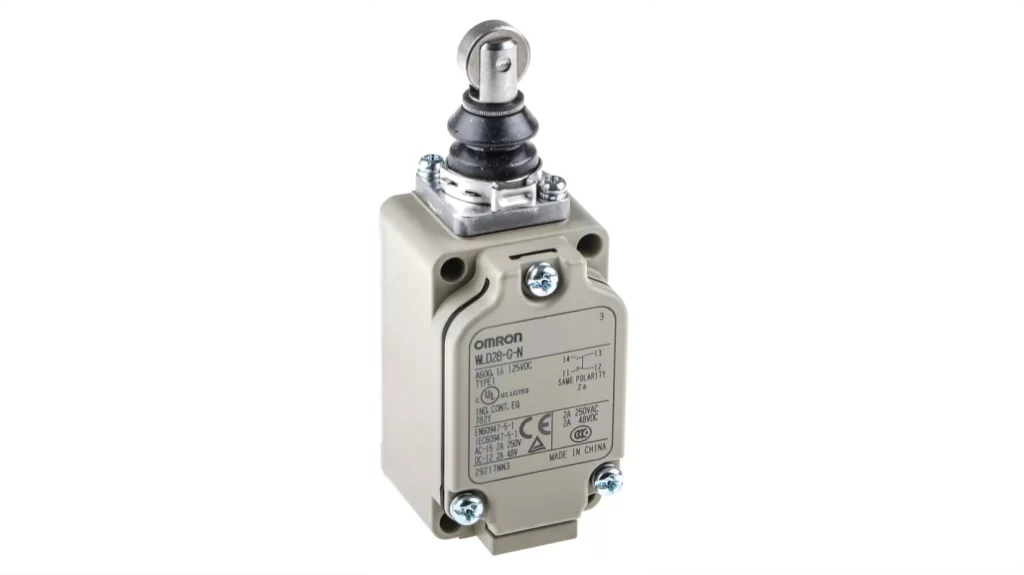
Working Principle
Limit switches work on a straightforward mechanical principle where physical contact with a moving object triggers an internal switching action. When a machine part reaches a set position, it presses the actuator of the switch, causing an electrical signal change. This signal is then used to control machine behavior such as stopping motion or changing direction.
- Actuator is engaged by moving part
- Internal contacts open or close
- Electrical signal is generated
- Control system receives feedback
Key Components
Limit switches are built with simple yet durable parts that ensure reliable performance in demanding environments. Each component contributes to accurate position detection and long-term stability. Engineers clarify what is a limit switch by demonstrating how it prevents overtravel and enhances operational safety effectively.
- Actuator for physical contact sensing
- Housing for protection and durability
- Electrical contacts for signal switching
- Spring mechanism for reset action
- Terminals for electrical connection
How Position Detection Works
Position detection using limit switches is based on direct mechanical interaction. When a machine component reaches a predefined point, it activates the switch to signal its position. This helps in maintaining controlled motion and preventing over travel.
- Moving part approaches detection point
- Actuator gets physically pressed
- Internal circuit changes state
- Signal is transmitted to controller
- Machine responds with required action
Types of Detection Mechanisms
Limit switches use different actuator styles to detect position effectively depending on application needs and movement patterns.
- Plunger type for direct linear contact
- Lever type for angular or side motion
- Roller type for smooth moving surfaces
- Rotary type for rotational movement sensing
- Flexible actuator type for varied alignment
Advantages
Limit switches provide multiple benefits that make them highly valuable in automated systems. Their simplicity and reliability support efficient machine operation.
- High accuracy in position sensing
- Strong mechanical durability
- Easy integration into systems
- Cost-effective control solution
- Reliable performance in harsh conditions
- Quick response to movement changes
- Low maintenance requirements
- Long operational lifespan
Applications
Limit switches are widely used across various machinery systems where position monitoring is essential for safe and precise operation.
- Conveyor systems for object positioning
- Robotic systems for motion control
- Packaging machinery for alignment checks
- Manufacturing equipment for safety limits
- Material handling systems for stop control
- Automated doors for open and close detection
- Assembly lines for process accuracy
Conclusion
Limit switches are vital components in machinery systems that ensure accurate position detection and safe operation. Their simple yet effective mechanism supports reliable control across various applications. By providing consistent feedback, they enhance automation performance and help maintain smooth and efficient machine functionality.
