
Comprehensive environmental remediation services support responsible land restoration.
Comprehensive environmental remediation services play a vital role in restoring damaged land and ensuring a healthier environment for future generations. These services focus on identifying contamination, reducing environmental risks, and implementing structured cleanup strategies that promote long-term ecological balance. Professionals suggest clicking learn more for full details.
Understanding Comprehensive Environmental Remediation Services
These services integrate scientific assessment, advanced cleanup techniques, and continuous monitoring to address soil, water, and air contamination. They are designed to restore natural conditions while minimizing disruption to surrounding ecosystems.
Key Components of Effective Remediation
A comprehensive approach typically includes:
- Site assessment and contamination analysis
- Soil and groundwater treatment
- Hazard removal and waste management
- Long-term monitoring and safety evaluation
Benefits of Environmental Remediation Services
These services provide multiple environmental and community advantages, ensuring that degraded sites are transformed into safe and usable spaces.
Key benefits include:
- Improved soil quality and fertility
- Reduced exposure to harmful contaminants
- Restoration of biodiversity and ecosystems
- Enhanced public health and safety
Sustainable and Responsible Land Restoration
Sustainability is at the core of modern remediation efforts, emphasizing eco-friendly techniques and long-term environmental stewardship. By using responsible practices, remediation services help reduce ecological damage while supporting natural regeneration processes.
Why Responsible Land Restoration Matters
Restoring contaminated land is essential for protecting ecosystems, ensuring safe communities, and supporting sustainable development goals. It also contributes to climate resilience and helps reduce long-term environmental degradation.
Advanced Techniques Used in Remediation
Modern remediation practices use innovative technologies such as bioremediation, soil washing, and phytoremediation to efficiently remove contaminants while preserving ecological integrity. These methods are highly effective in reducing pollution levels and accelerating natural recovery processes.
Role of Monitoring and Assessment
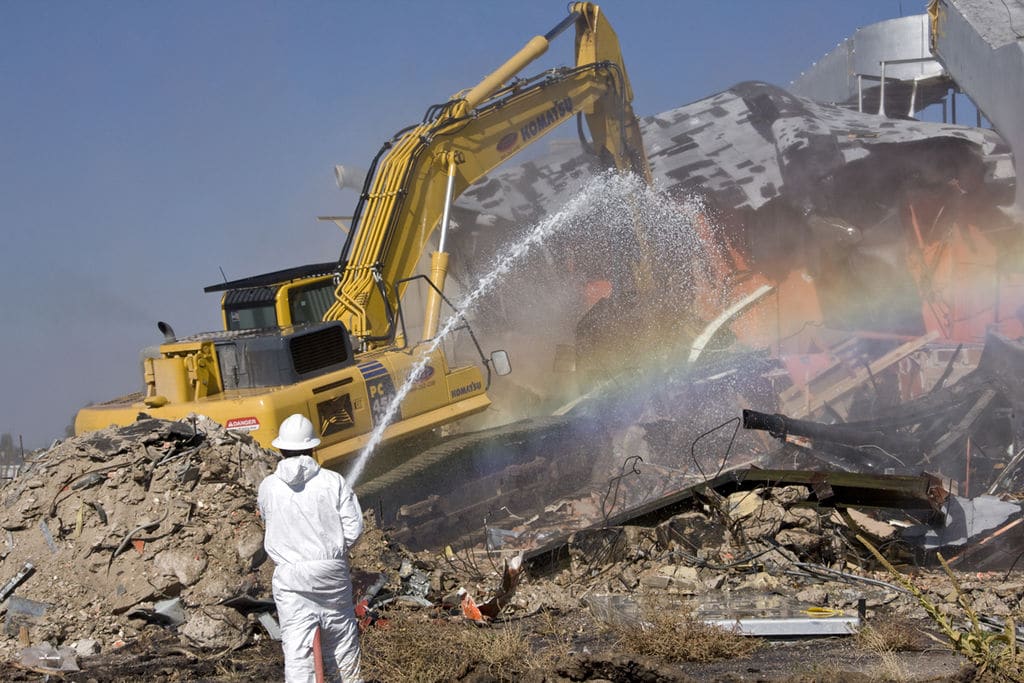
Continuous monitoring and assessment ensure that remediation efforts remain effective over time and meet environmental safety standards. Data-driven evaluations help experts adjust strategies and maintain long-term sustainability of restored sites.
Community and Environmental Impact
Environmental remediation services not only restore land but also positively impact surrounding communities by improving safety and quality of life. Cleaner environments support healthier populations, encourage economic development, and enhance overall environmental awareness.
Conclusion
Comprehensive environmental remediation services are vital for restoring balance to damaged ecosystems and promoting a cleaner, healthier planet. Through advanced techniques, sustainable practices, and careful monitoring, these services ensure that land is safely rehabilitated and prepared for future use.
Final Thoughts on Long-Term Sustainability
Long-term sustainability in environmental remediation relies on consistent innovation, responsible resource management, and collaborative efforts between environmental experts and local stakeholders. These combined efforts ensure that restored landscapes continue to thrive for generations.
Moving Forward with Responsible Restoration Practices
As environmental challenges continue to evolve, comprehensive remediation services remain essential for building a safer and more resilient future. By integrating science, sustainability, and community awareness, these services create lasting environmental improvements that benefit both nature and society. Ultimately, they support global efforts toward a cleaner, healthier, and more sustainable planet ensuring long-term ecological balance globally.
