
Star Stuff Group Australia: Branded Packaging That Actually Pulls Its Weight
Packaging isn’t decoration. It’s operations, perception, margin, and (sometimes) the reason a customer trusts you enough to try you.
Star Stuff Group Australia builds branded packaging across boxes, bags, and labels, with the kind of practical flexibility you need when the real world shows up: retail constraints, shipping damage, minimum order quantities, brand guidelines, sustainability pressure, and launch deadlines that won’t move.
One-line truth: your packaging is part of your product.
Hot take: if your packaging doesn’t match your strategy, it’s quietly costing you money
I’ve seen brands spend a fortune chasing “premium” finishes while their product sits in a discount channel. The reverse happens too: great product, bargain-bin packaging, and customers assume it’s low-quality before they’ve even touched it.
So Star Stuff’s value isn’t just “we can print your logo.” It’s the translation layer between brand intent and manufacturing reality. That’s harder than it sounds.
Why Star Stuff Group Australia tends to work (and when it doesn’t)
Look, most packaging vendors can source a box. The difference is whether they can manage the trade-offs without your project turning into a slow-motion compromise.
What usually goes right with a strategic partner:
– Discovery that’s fast enough to keep momentum, but structured enough to avoid rework
– Design decisions that factor in print limitations, substrate behaviour, and cost-to-impact
– Consistency across formats (box + label + bag) so your brand doesn’t look “patched together”
– Scalability: small runs when you’re testing, then repeatable specs when you scale
Now, this won’t apply to everyone, but… if you already have ironclad packaging engineering, press-ready artwork, and supplier relationships, you may only need production. Many brands don’t. They need someone who can keep design ambition from colliding with logistics.
What you can actually get: the branded packaging range (quick, then deeper)
Star Stuff’s packaging offer clusters into three areas: boxes, bags, and labels, with materials/finishes and sustainability options layered on top.
The “at a glance” version
– Custom boxes: mailers, folding cartons, rigid boxes, inserts, die-cuts
– Branded bags: paper, plastic, fabric blends (with print/finish options)
– Labels: compliance-friendly, variable data, consistent colour matching, proofing workflows
That’s the framework. The nuance lives in materials, finishes, and the way you plan production.
Materials + finishes: the part customers feel (and ops teams complain about)
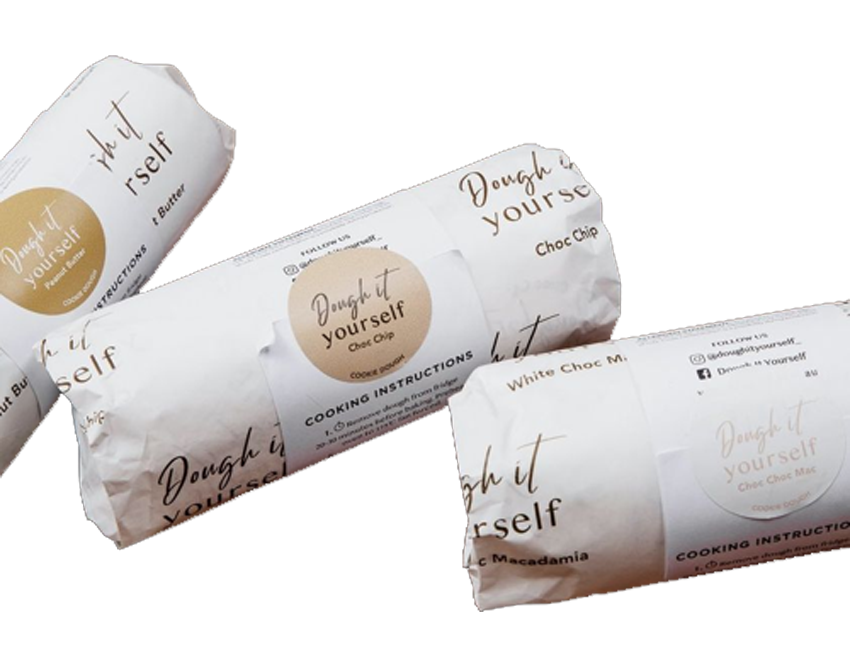
Some finishes look incredible on a render and behave terribly on a packing line. Others are boring on-screen but photograph beautifully in user-generated content. This is where you want someone who’s done it before.
Here’s the practical read on common choices:
Gloss lamination
High contrast, punchy colour, strong “new” feel. Also: fingerprints and scuffs can become a thing depending on handling.
Matte
Understated and modern. Better for premium minimal brands than people think. But matte can mute colour if you’re not careful with ink density.
Soft-touch
Feels expensive. It’s tactile branding. It can also show abrasion if your logistics are rough, so you need to match it to your distribution reality.
Emboss/deboss + spot UV
Use these like seasoning, not the main meal. A subtle raised mark on a logo? Great. Full-panel gimmicks? I’ve watched those backfire because the design starts shouting.
And colour accuracy matters more than most teams budget time for. If your brand colour shifts between label, carton, and shipper, customers notice, even if they can’t articulate why.
A useful anchor point: Nielsen reports that packaging is one of the key in-store drivers of attention and perception, influencing what shoppers notice and trust at shelf (Nielsen, “The Power of Packaging,” insights summary commonly cited in FMCG retail research). You don’t need to worship that stat, but ignoring it is… optimistic.
Eco-friendly packaging: good intentions don’t fix bad execution
Here’s the thing: “eco” isn’t one decision. It’s a chain of decisions.
If your packaging says recyclable but uses mixed materials that can’t be separated easily, you’ve created feel-good marketing and landfill reality (and customers are getting sharper about this).
Eco-friendly branding options (what’s credible)
Use sustainability signals with restraint. Overclaiming reads as greenwashing fast.
– Recyclability messaging that’s specific, not vague
– Certifications or traceable sourcing where relevant
– Design choices that reduce material use (often the highest-impact move)
Sustainable material choices (the technical layer)
– Paperboard from responsibly managed forests when structural rigidity and print quality matter
– Recycled adhesives where performance permits (not always suitable for every environment)
– Biodegradable or lower-impact inks on compatible substrates (ink/substrate chemistry matters more than people think)
Green packaging benefits aren’t just reputation. Lighter packs can reduce shipping cost, and standardized sizing can tighten warehouse workflows. The sustainability win and the ops win can be the same win.
The customization process: not glamorous, but this is where projects are won
Some teams romanticize the design phase and treat production as the boring part. That’s backwards.
A solid packaging workflow tends to look like this:
1) Discovery + brief: objectives, audience, channels, compliance needs, timeline
2) Creative + prototyping: concepts that acknowledge dielines, bleed, finishes, and print constraints
3) Material selection: durability, feel, cost, environmental goals (and real-world handling)
4) Proofing: colour checks, typography legibility, barcode scan reliability
5) Production planning: print method, QA checkpoints, lead times
6) Delivery + logistics: scheduling, stock planning, rollouts
I’m opinionated here: iterative testing is underrated. A quick prototype can save you from ordering 20,000 units of a box that “looked fine on screen.”
Boxes, bags, labels: choosing by product type (and channel) instead of vibes
Boxes by type: protection meets brand theatre
Corrugated mailers are workhorses. They protect, they ship well, and they can still look sharp.
Rigid boxes are theatre. Great for premium products, gifting, or high-margin SKUs. Just don’t pretend they’re “cost neutral.” They’re not.
If damage rates are creeping up, consider double-wall corrugate or smarter inserts before you add more void fill. I’ve seen insert design reduce breakage dramatically without increasing outer box size.
Bags material options: the quiet differentiator
Bags can look simple, but material choice changes everything: tear resistance, moisture tolerance, print durability, and handling speed.
Paper bags can feel premium and responsible. Plastic can be more moisture-resistant and durable. Fabric blends can be memorable but introduce cost, sourcing, and storage considerations. None is “best.” One is best for your workflow.
Labels customization features: where compliance and brand meet
Labels are the detail layer customers and regulators both see.
What matters most in practice:
– Colour matching across substrates (labels rarely print the same as cartons by default)
– Typography at small sizes that stays legible in real lighting
– Variable data for batch codes, SKUs, barcodes without expensive retooling
– Fast proof cycles to catch errors before they become pallets of regret
That last point is painful experience talking.
Budget + timelines: the stuff no one wants to discuss until it’s too late
Packaging budgets blow out for predictable reasons: late changes, unclear specs, and underestimating lead times.
A disciplined approach is less exciting and far more effective:
– Itemize costs across design, sampling, materials, print, finishes, freight
– Build a buffer for rework (because changes happen)
– Align production timing to launch reality, not wishful thinking
– Ask early about bulk breakpoints and MOQ constraints
If you’re doing a launch, don’t budget only for the “final run.” You’ll likely need sampling, proofing, and maybe a small pilot to validate the unboxing experience and transit performance.
Scalable branding + reliable logistics: the unsexy advantage
The brands that grow cleanly are the ones that lock in repeatable specs early. Same colour standards, same packaging architecture, consistent label logic, predictable supply.
Creative design still matters (obviously). But manufacturability is the guardrail that keeps your brand consistent when volumes climb, channels multiply, and timelines tighten.
That’s the real promise here: packaging that looks like your brand, ships like your business, and scales without turning into chaos.
